
Truck Driver Shortage in India: Causes and Solutions
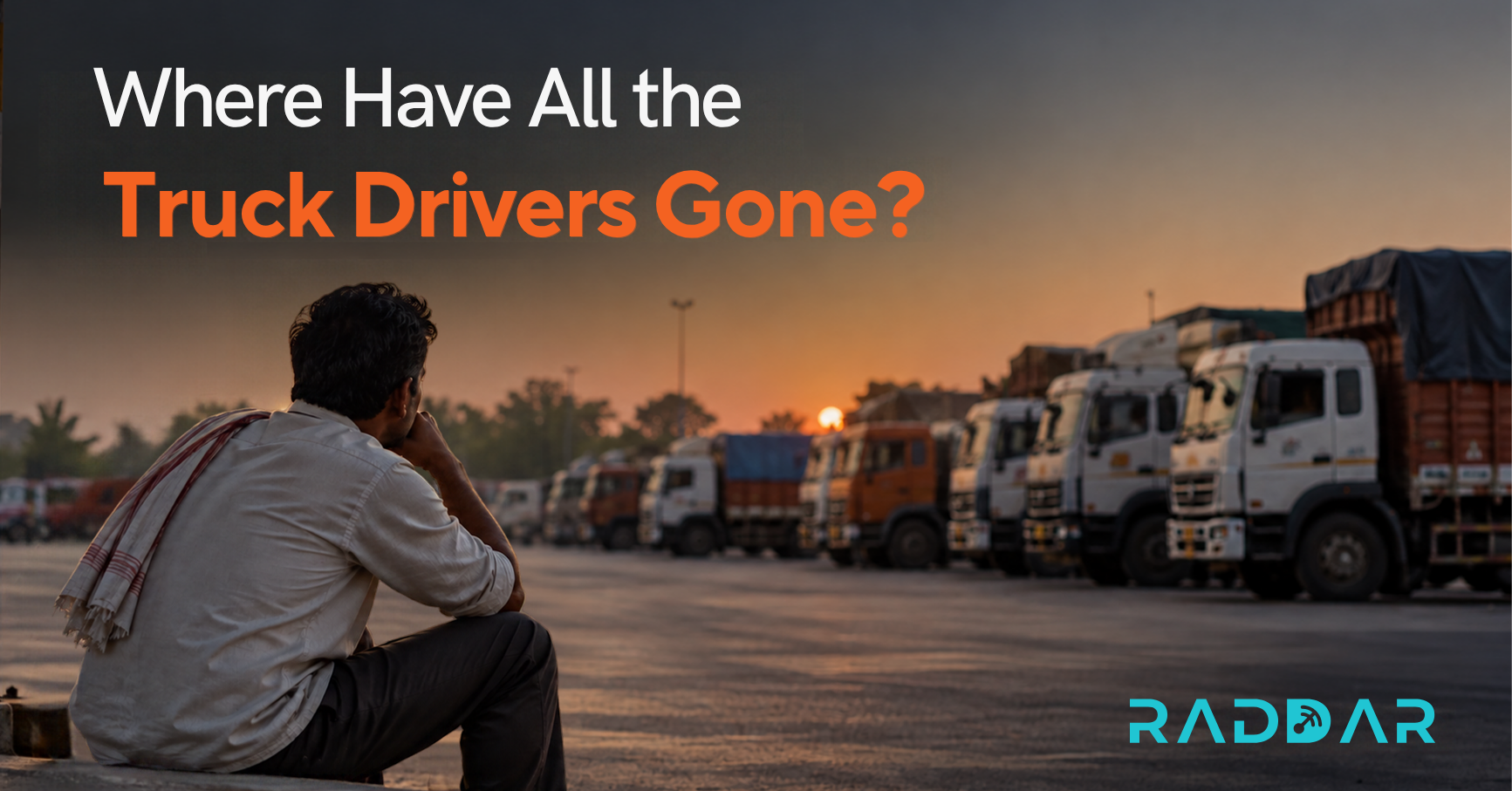
Why Is India Facing a Shortage of Truck Drivers?
Finding reliable truck drivers has become a growing challenge for transport businesses across India. Many truck owners struggle to find experienced drivers, and retaining them has become just as difficult.
The shortage affects daily operations. Trucks may remain idle, deliveries get delayed, and owners continue paying expenses even when their vehicles are not earning.
According to a World Bank estimate cited by Union Transport Minister Nitin Gadkari in Parliament in 2025, India faces a shortage of around 22 lakh skilled drivers.
So why are fewer people choosing truck driving as a profession, and what can transport businesses do about it?
How Serious Is the Truck Driver Shortage in India?
The driver shortage is not a new problem. The transport industry has been raising concerns about it for more than a decade.
Several reports help explain its scale.
22 lakh skilled drivers: The shortage estimated by the World Bank and cited by Nitin Gadkari in the Lok Sabha in April 2025.
28% of trucks idle: The International Road Transport Union (IRU) reported in 2018 that approximately 28% of India's estimated 85 lakh trucks were idle because drivers were unavailable.
$60 billion in annual losses: The IRU estimated the economic impact of the shortage at approximately $60 billion per year.
Falling driver availability: The IRU reported that the driver-to-truck ratio had declined from around 1.3 drivers per truck in earlier decades to approximately 0.6 at the time of its report.
These figures from the IRU's 2018 report highlight the long-standing driver shortage in India's transport industry.
Why Is There a Shortage of Truck Drivers in India?
The shortage has developed over many years due to difficult working conditions, inconsistent earnings, and fewer young people choosing the profession.
Long periods away from family: Long-distance drivers often spend days or weeks away from home. Loading delays, unpredictable schedules, and waiting for return loads make it difficult to spend time with family.
More employment alternatives: Taxi services, local delivery companies, and passenger transport offer other opportunities. Some of these jobs provide regular working hours and allow drivers to return home daily, making them more attractive than long-distance trucking.
Inconsistent earnings: Driver salaries vary widely depending on routes, vehicles, and employers. Reported earnings range from ₹10,000–₹20,000 per month in some lower-paid jobs to ₹30,000–₹40,000 for experienced long-distance drivers. Delayed payments and unclear allowances add to the problem.
Long working hours: Research on Indian truck drivers has reported average driving hours of nearly 12 hours per day. Extended driving, insufficient rest, and delivery pressure can affect health and road safety.
Poor highway facilities: Many drivers struggle to find safe parking, clean toilets, bathing facilities, and proper resting places. An industry study cited by the IRU found that 53% of surveyed drivers reported health problems.
Lack of social recognition: Despite their essential role in transporting goods, truck drivers often face low social status and poor treatment. This discourages younger people from entering the profession and makes it harder to replace experienced drivers.
Why Are Younger People Avoiding Truck Driving?
The trucking industry is struggling to attract younger drivers as experienced drivers grow older. A 2026 Vasudha Foundation report estimated the average truck driver's age at around 45 years, highlighting concerns about poor working conditions, limited healthcare, lack of social security, and fewer career growth opportunities.
These challenges make truck driving less attractive to younger people. While training more drivers is important, improving working conditions is equally necessary to attract and retain them.
How Does the Driver Shortage Affect Truck Owners?
The driver shortage directly affects transport businesses through idle vehicles, missed trips, and additional expenses. Small truck owners are particularly affected, as losing even one driver can disrupt their operations.
The main challenges include:
Idle vehicles: Trucks remain parked while loan payments, insurance, and other fixed expenses continue.
Lost business: Owners may have to reject loads because drivers are unavailable.
Delivery delays: Driver shortages can affect delivery schedules and customer relationships.
Higher costs: Finding replacement drivers at short notice may require additional payments.
Increased workload: Available drivers may face pressure to handle more trips, increasing fatigue and safety risks.
How Does the Driver Shortage Affect Road Safety?
Long working hours, insufficient rest, and pressure to meet delivery schedules can increase the risk of road accidents. Driver fatigue is a serious safety concern, with drowsy driving contributing to accidents and fatalities on Indian roads.
A 2025 study involving 300 truck drivers near Jaipur also found links between difficult working conditions and depression. Long periods away from family, job insecurity, and limited access to healthcare can further affect drivers' mental well-being.
These conditions affect more than road safety. They also make truck driving a less attractive career, particularly for younger people who have other employment options.
What Is the Government Doing About the Driver Shortage?
The Indian government has recognised the shortage of skilled drivers and announced measures to improve driver training and road safety.
In April 2025, Union Transport Minister Nitin Gadkari announced a ₹4,500 crore scheme to establish 1,600 driving training institutes across India in phases.
The initiative includes:
Institutes of Driving Training and Research (IDTRs): Advanced driver training and research facilities.
Regional Driving Training Centres (RDTCs): Training facilities serving regional requirements.
Driving Training Centres (DTCs): Centres focused on developing driving skills.
In May 2026, the government was also reported to be exploring a commercial vehicle driver rating system to assess driving experience, licence history, and other relevant details.
These initiatives aim to increase the number of trained drivers and improve road safety. However, better working conditions and reliable earnings are equally important for attracting and retaining drivers.
What Can Truck Owners Do to Retain Drivers?
While individual truck owners cannot solve the nationwide shortage, improving working conditions and maintaining good relationships can help retain experienced drivers.
Some practical steps include:
Pay on time: Ensure salaries, trip allowances, and advances are clearly recorded and payments are made as agreed.
Allow adequate rest: Plan trips with reasonable driving hours and avoid pressuring drivers to continue when tired.
Treat drivers with respect: Understand that traffic, loading delays, and road conditions are not always within a driver's control.
Provide basic support: Consider health insurance, emergency assistance, and incentives for safe driving where affordable.
Support family time: Allow reasonable breaks between trips and time for important family occasions whenever possible.
These small but consistent efforts can help build trust, reduce driver turnover, and keep transport operations running smoothly.
Frequently Asked Questions
How many truck drivers are needed in India?
India faces a shortage of approximately 22 lakh skilled drivers, according to a World Bank estimate cited by Nitin Gadkari in Parliament in April 2025. The estimate covers skilled drivers and is not an exact current count of truck-driver vacancies.
Why are truck drivers leaving the profession?
Common reasons include long working hours, extended periods away from family, unpredictable earnings, difficult highway conditions, health concerns, and alternative employment opportunities.
How much do truck drivers earn in India?
Earnings vary by route, vehicle type, experience, and employer. Published estimates include ₹10,000–₹20,000 per month for some lower-paid drivers and approximately ₹30,000–₹40,000 for experienced long-distance heavy truck drivers. These are indicative ranges, not a national salary standard.
How many trucks are idle due to the driver shortage?
The IRU estimated in 2018 that approximately 28% of India's 85 lakh trucks were idle because of driver unavailability. This is a historical estimate, not a verified current figure.
What is the government doing to address the shortage?
In April 2025, the government announced a ₹4,500 crore scheme to establish 1,600 driving training institutes in phases. The initiative aims to improve driver training and increase the availability of skilled drivers.
How can truck owners retain experienced drivers?
Paying on time, maintaining clear payment records, providing adequate rest, treating drivers respectfully, and supporting reasonable family time can help improve driver retention.
Conclusion
India's truck driver shortage has developed over many years, and there is no single solution. Training new drivers is necessary, but the industry must also address the reasons experienced drivers leave and younger people hesitate to join. Better working conditions, reliable earnings, adequate rest, and fair treatment can help make truck driving a more sustainable profession. For truck owners, retaining experienced drivers is not just a staffing concern. It is an important part of keeping vehicles operating, meeting delivery commitments, and maintaining a stable transport business.
Explore More on RADDAR
Running a transport business involves more than managing drivers. Fuel expenses, trip planning, and operating costs also affect profitability.
Reduce Your Truck's Diesel Expenses
Diesel prices vary across Indian states. Use our free Diesel Rate Calculator to find where to refuel and estimate potential savings on your next trip.
From the team at Raddar
Raddar is transport management software built for Indian truck operators — trips, bilty / LR generation, GST invoicing, FASTag tracking, and driver WhatsApp updates, all in one place.